How Long Roofs Last, Material by Material
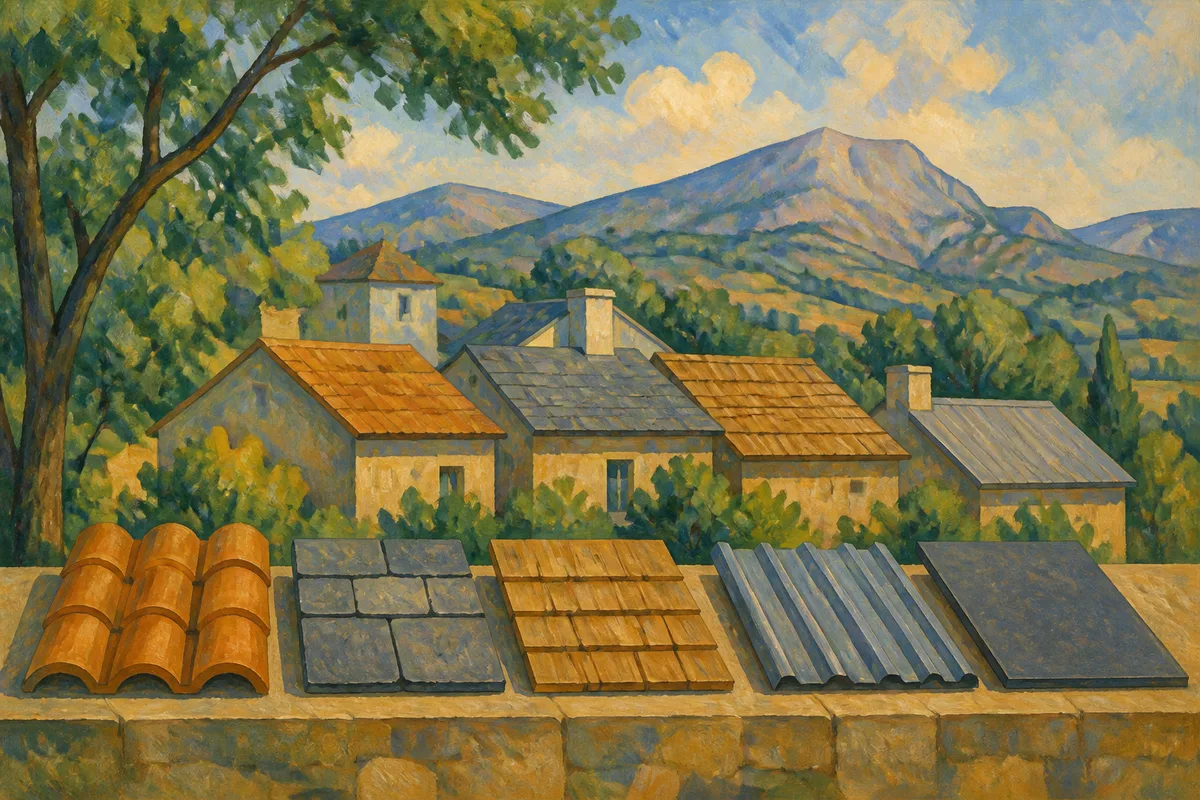
One of the most common questions we hear from homeowners and building owners around Chicago is simple: how long is my roof supposed to last? The honest answer depends on what the roof is made of, how it was installed, and what the weather has thrown at it over the years. There is no single number that fits every home, but there are useful ranges to know.
Below, we break down typical lifespans for the roofing materials we work with most often, along with the local factors that tend to push a roof toward the shorter or longer end of that range. If you are trying to figure out where your own roof stands, this should give you a good starting point, and we are always happy to talk through the specifics of your situation over the phone.
Asphalt Shingle Roofs: The Neighborhood Standard
Asphalt shingles are by far the most common roofing material on homes across Chicago, and for good reason. They are versatile, relatively easy to repair in sections, and hold up reasonably well through our seasonal swings. Depending on the quality of the shingle and how the roof was installed, homeowners can generally expect somewhere between fifteen and thirty years of service.
What moves a roof toward the lower or upper end of that range often comes down to attic ventilation and sun exposure. A roof that traps heat underneath it tends to age faster than one with good airflow. South and west facing slopes, which take the brunt of the afternoon sun, often show wear sooner than the shadier sides of the same roof.
Regular roof maintenance, including keeping gutters clear and catching small issues like lifted or cracked shingles early, can make a real difference in how gracefully an asphalt roof ages over time.
Flat Roof Systems: TPO, EPDM, and Modified Bitumen
Flat and low slope roofs are everywhere on Chicago's older two and three flat buildings, garages, and additions, and they come in a few different material families. TPO and EPDM membranes are single sheet systems that are popular for their flexibility and relatively straightforward repair process. Modified bitumen is a layered system that has been a reliable choice on flat roofs for decades.
Lifespan expectations vary by material. TPO systems often perform well for fifteen to twenty years, EPDM can run a bit longer under good conditions, and modified bitumen typically falls somewhere in a similar range depending on the number of layers and how it was installed. Ponding water is the biggest local enemy of any flat roof, since standing water that does not drain properly can shorten a membrane's useful life significantly.
A roof coating application, done at the right point in a flat roof's life, can help extend its service by adding a protective layer against sun and moisture. Timing matters here, so it is worth having someone take a look before assuming a coating is the right next step.
What Chicago Weather Does to a Roof
Our climate is genuinely tough on roofing. Winters bring freeze and thaw cycles that can work moisture into small cracks and gaps, gradually widening them. Summers bring intense sun that dries out and stiffens roofing materials over time. Add in the wind gusts that come off the lake and through the city, and it is easy to see why two identical roofs installed the same year can age at different rates depending on their exposure.
Storm damage is another factor that can knock years off a roof unexpectedly. Hail, heavy wind, and ice dams do not always announce themselves with obvious damage right away. That is part of why a roof inspection after a rough storm season is a smart habit, even if nothing looks wrong from the ground.
Masonry and Chimneys Age Differently
Roofing materials are not the only part of a building's exterior that wears down over the years. Masonry, parapet walls, and chimneys age on their own timeline, and Chicago's freeze and thaw cycles are especially hard on mortar joints. As mortar breaks down, water can work its way into brick and stone, which is where tuckpointing and general masonry repair come in to keep things solid.
Chimneys deserve their own mention here, since they take on rain, snow, and temperature swings from nearly every angle. Flashing where a chimney meets the roofline is often one of the first places a leak develops, which is why flashing replacement and chimney repair frequently go hand in hand with roof work rather than being separate concerns.
When to Call for a Closer Look
These ranges are useful for planning, but they are general guidelines, not a countdown clock for your specific roof. Two roofs of the same age and material can be in very different condition depending on installation quality, ventilation, and how well they have been maintained over the years.
If your roof is getting up toward the older end of its expected range, or if you have noticed granules in the gutters, soft spots, or daylight around flashing, it is worth having someone experienced take a look before small issues turn into bigger ones. Feel free to call us with questions about your particular roof, its age, or what you are seeing. Talking through your situation costs nothing, and it usually helps to have a clearer picture of where things stand.
Questions about your own situation? The team at Perez Roofing & Masonry is happy to help — call us at (773) 491-2968 or request an appointment.
This article is for general information only.